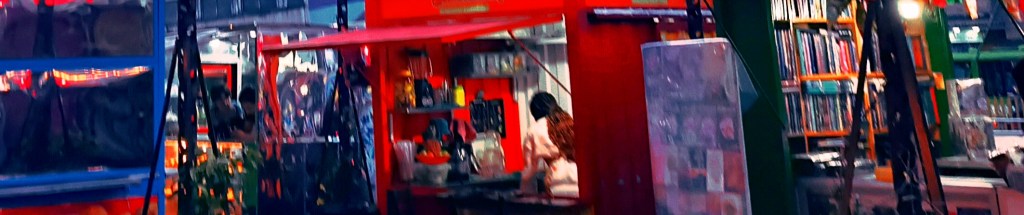
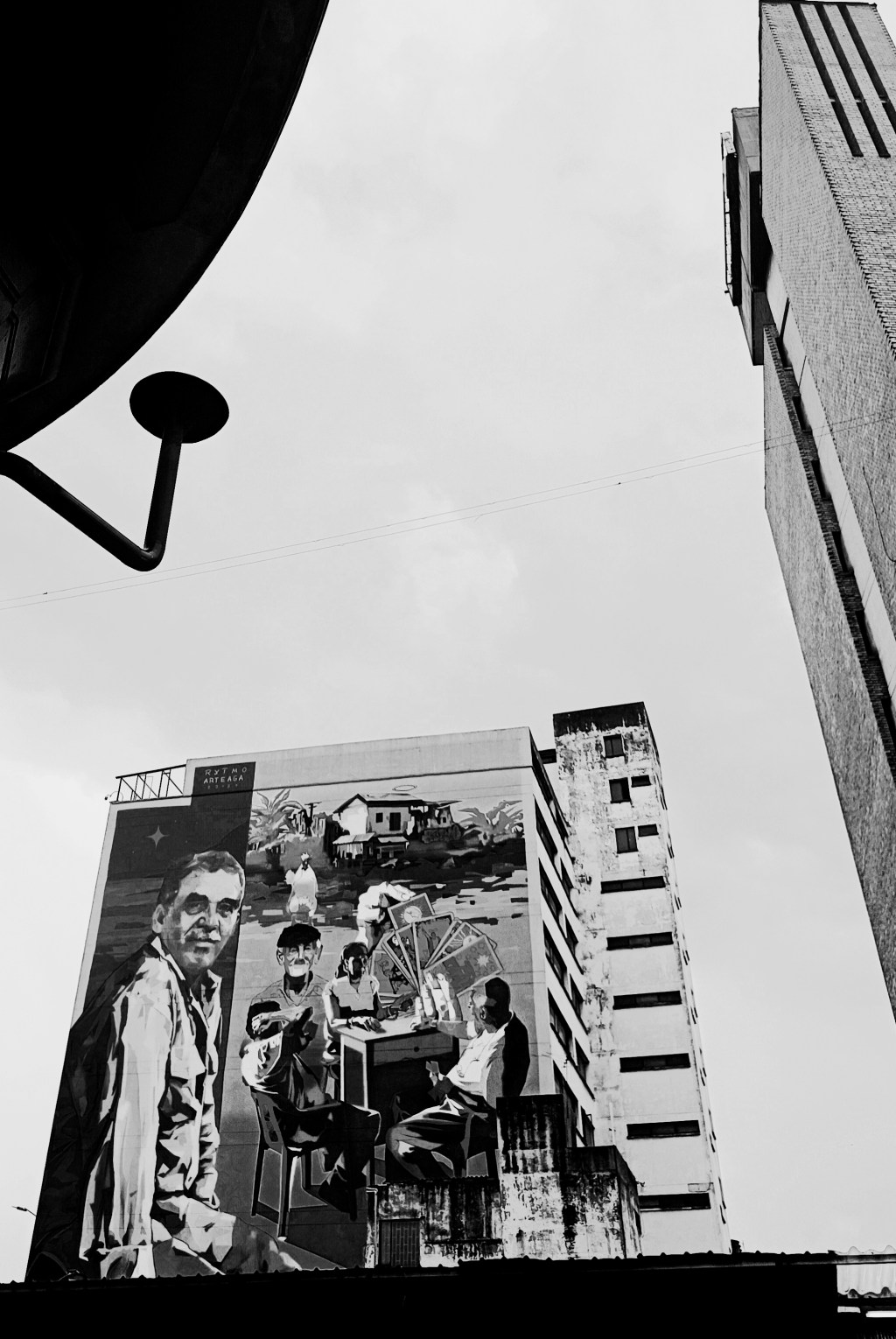
In 2013, a heightened political climate in Colombia and a will for national reconciliation drove the institutionalization of a new socio-cultural paradigm in Bogotá. This manifested as an urban muralism movement that fundamentally reconfigured the city’s aesthetic, subverting the dominant narrative of abandonment.
Previously, the city center was characterized by a “burning cold.” The structures that currently host these murals are remnants of 1950s and 60s modernism, where utilitarianism prevailed over adornment. The rhythmic positioning of their columns reflected a commitment to the corporate efficiency that sustained the economy of that period.
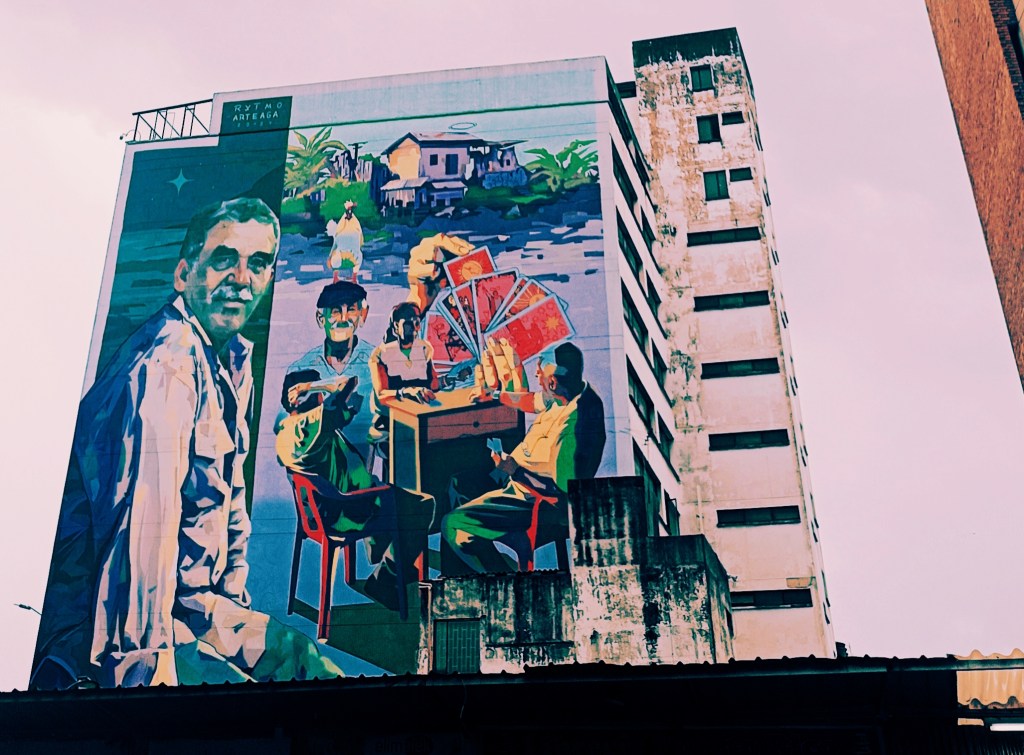
This equilibrium shifted during the 70s and 80s with a general exodus toward the north (from 72nd to 100th Streets). New financial centers arose, linked to the prosperity of the coffee and marimbera bonanzas. The resulting desolation in the center was never replaced; instead, abandonment became the ruling force. Degradation and misery found a foothold in “codes of death,” coexisting with the informal ingenuity locally termed “el rebusque.”
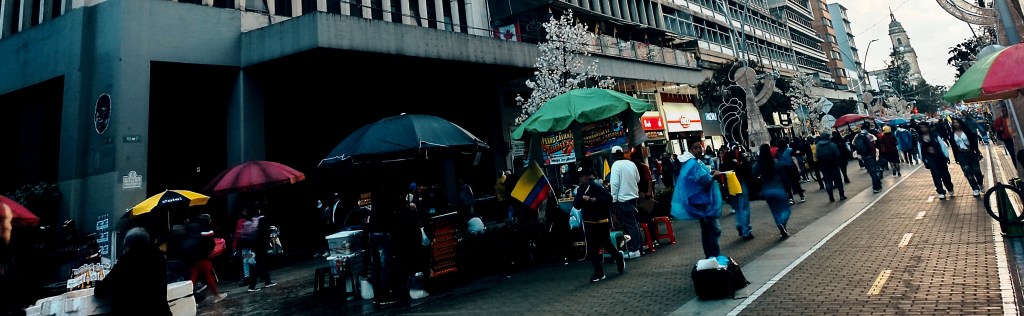
In the face of the environment’s critical state, the initial act was to convey a symbolic message, declaring a desire for structural change. The district administration guided with a spirit of resistance, dignifying public space and replacing sterile museum aesthetics with the living, pulsating complexity of Bogotá’s streets.
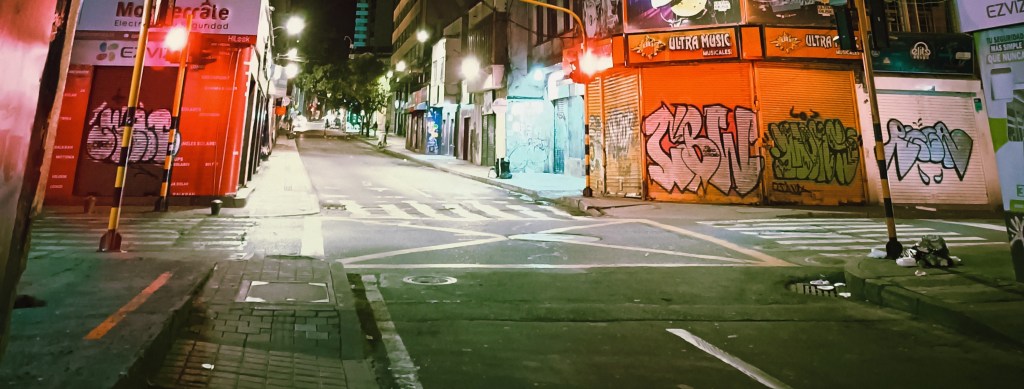
 Logic4Groundbreaking
Leave a comment